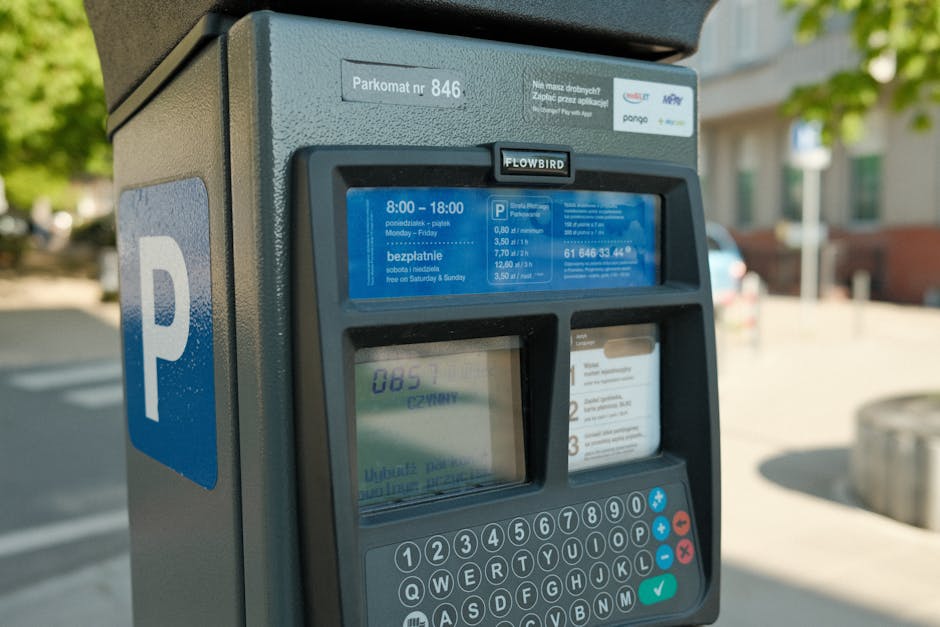
What to know about parking permits for Finsbury Park removals
Planning a move in Finsbury Park can look simple on paper. Then you remember the street is busy, the parking is tight, and the van needs a proper place to stop without causing chaos. That is where parking permits come in. If you are figuring out what to know about parking permits for Finsbury Park removals, the short version is this: the right parking arrangement can save time, reduce stress, and stop a moving day from turning into a double-parked headache.
In a neighbourhood like Finsbury Park, with terraces, flats, side roads, and plenty of through traffic, parking is often the detail that decides whether a move feels calm or messy. This guide walks you through the practical side of it all: when a permit may be needed, how the process usually works, what mistakes people make, and how to plan a smoother removals day from the off.
Why parking permits matter for removals
Parking permits matter because a removals vehicle needs space, and in Finsbury Park that space is rarely accidental. If a van cannot stop near the front door, the whole move slows down. Boxes get carried further, furniture takes longer to load, and the team ends up weaving around parked cars, cyclists, and the occasional impatient driver. Not ideal.
For most people, the permit issue is not really about bureaucracy. It is about access. A short walk from the van to the property can add a surprising amount of time and physical effort, especially if you are moving a flat upstairs, handling bulky furniture, or dealing with narrow hallways. The difference between a sensible parking plan and a last-minute scramble can be huge.
There is also the practical risk side. If a vehicle is left somewhere unsuitable, you may face a parking penalty, an awkward delay, or the need to keep moving the van around while everyone waits. Truth be told, nobody wants to be standing in the rain at 8:15am wondering whether the driver can stay where they are for ten more minutes. That is the sort of stress permits are meant to reduce.
If you are arranging a move and still comparing service options, it can help to look at the broader picture too. Pages like removals in Finsbury Park and man and van in Finsbury Park are useful for understanding how the service is usually organised around local access issues.
How parking permits for Finsbury Park removals work
In plain English, a parking permit is permission to load or unload in a controlled parking space or restricted bay for a specific time. The exact rules depend on the street, the type of bay, and whether the move is taking place in an area with resident parking, timed restrictions, or visitor bays. Finsbury Park has plenty of roads where parking is already tightly managed, so you should never assume the van can just pull up anywhere.
There are usually three common situations:
- Loading only - short-term stopping to move belongings in or out.
- Suspended bay or reserved space - a space held for the removals vehicle.
- Shared or visitor parking arrangement - where the driver can use an allowed bay under certain conditions.
The details matter. A loading bay is not the same as a resident bay. A short-stay stop is not the same as a full-day reservation. Small distinction, big difference. If you get this part wrong, you can lose time before the move has even properly started.
In practice, the permit process often involves checking the local street rules, confirming the moving date and vehicle details, and making sure the parking arrangement covers the time needed for loading and unloading. If you are working with a local team, ask whether they normally help with this. Many people prefer a moving company that understands these logistics as part of the job, not as an awkward add-on.
For example, if you are booking a vehicle and want a sense of how that is usually priced or structured, have a look at man with van rates and the broader man with a van service overview. It helps you understand what you are actually paying for beyond the van itself.
Key benefits and practical advantages
The main benefit is obvious: better access. But once you get into the real-world detail, parking permits bring several smaller advantages that people often notice only after they have had a stressful move without one.
- Less carrying distance - which is a lifesaver for wardrobes, boxes, and anything heavy or awkward.
- Faster loading and unloading - the team can work more efficiently when the vehicle is close.
- Lower risk of penalties - because you are not gambling on a space that may not be suitable.
- Better timing control - particularly useful if the building has lift access, tight windows, or landlord rules.
- Less disruption to neighbours - which, to be fair, helps keep the move on good terms with everyone on the street.
Another benefit that gets overlooked is mental space. Once the parking side is sorted, you can focus on the move itself: wrapping fragile items, checking keys, managing utilities, and making sure the kettle box is easy to find. And yes, that kettle box always matters.
Parking planning also tends to improve the quality of the whole schedule. A move with proper access is easier to estimate, easier to coordinate, and less likely to drag on because the van is circling the block. If your removals include specialist items, such as a piano or large furniture, that extra precision is even more valuable. You may find the local piano removals in Finsbury Park page useful if you are moving anything delicate or unusually heavy.
Who needs this and when it makes sense
Not every move needs a formal permit, but many Finsbury Park removals do benefit from one. You should especially think about it if:
- you live on a narrow residential street;
- the property is on a busy road or near a junction;
- there is controlled parking outside the building;
- you are moving from a block of flats with limited access;
- your move involves more than one vehicle or a larger van;
- you have bulky furniture, appliances, or lots of boxes;
- the move has to happen at a specific time slot;
- you are arranging a same-day or short-notice move.
Students often underestimate this. A studio flat may look small, but a move with suitcases, a desk, a mattress, and a handful of IKEA furniture can still need good van access. Likewise, flat moves are where parking becomes tricky very quickly, especially if stairwells are narrow or the entrance is shared. For that reason, it is worth reviewing the local flat removals Finsbury Park service if your move is from an apartment or upper floor.
Office relocations are another common case. A business move needs timing, order, and minimal disruption. You do not want staff waiting outside with monitors while a vehicle has to be parked half a street away. If that sounds familiar, the office removals Finsbury Park page is a sensible place to start.
And if you are still weighing up whether to hire a team at all, the broader local overview on services overview can help you match the move to the right type of support. Honestly, that part saves people a lot of guesswork.
Step-by-step guidance
If you want to keep this practical, here is the simplest way to approach parking permits for a Finsbury Park move.
- Check the street conditions first. Look at whether the property sits on a controlled parking street, a permit-only road, or somewhere with loading restrictions. Do this before you confirm final move timings.
- Find out what the vehicle needs. A small van may have more flexibility than a larger removals vehicle, but both can still need space close to the door.
- Confirm the moving window. Estimate loading and unloading times honestly. People often underestimate this by a lot.
- Ask whether a permit or suspension is needed. This may depend on the bay type and how long the van needs to stay in place.
- Coordinate with the removals team. If a driver or crew is helping, make sure they know the access plan in advance.
- Prepare the property entrance. Clear hallways, reserve lift access if needed, and keep the route from door to van as short as possible.
- Build in a small buffer. Ten or fifteen extra minutes can be the difference between a calm start and a rushed one.
If you are using a local moving firm, you can also ask for help with the practical side of arranging the day. A business that regularly works in the area will usually know which streets are awkward, which timings are sensible, and what tends to go wrong. That local awareness matters more than people think.
For move-day convenience, some people book a removal van in Finsbury Park alongside packing support. Others prefer a straightforward man and van in Finsbury Park setup for smaller loads. Either way, access planning is the same: know where the vehicle can stop and for how long.
Expert tips for better results
There are a few small things that make a surprisingly big difference.
- Book access planning early. Leave yourself enough time to sort parking before the final week, not the evening before.
- Measure the awkward bits. If your sofa barely fits through the hall, a far-off parking space will make life much harder.
- Keep keys and paperwork handy. You do not want to be hunting for documents while the van is waiting outside.
- Check both addresses. The old place and the new place may have very different parking rules.
- Think about weather and road activity. A wet morning, school run traffic, or a busy market day can slow everything down.
One useful habit is to picture the move from the driver's point of view. Where does the van stop? How many trips from the door to the vehicle? Is there enough room to carry mattresses or wardrobes without turning sideways every few steps? That kind of mental run-through catches issues early.
Another tip: if you are moving at short notice, same-day parking arrangements become even more important. In that situation, the same day removals Finsbury Park option can be useful, but only if access is realistic. A rushed move with no parking plan is, frankly, a bit of a trap.
And a small personal note: the best moving days are usually the boring ones. No drama, no van circling the block, no one shouting down a phone, just quiet progress and a clean handover. Boring is good here.
Common mistakes to avoid
This is where a lot of moving stress starts. Most mistakes are avoidable, but they are common enough that it is worth spelling them out clearly.
- Leaving parking until the last minute. The biggest mistake, by far.
- Assuming a space is available because it looked empty yesterday. Parking rules can change by time of day.
- Forgetting the return trip. You may need the same access at the destination too.
- Underestimating load time. A two-hour move can become three pretty fast if the van is not close.
- Not telling the removals team about access problems. If they do not know, they cannot plan for it.
- Ignoring height, width, and turning space. Tight streets can be more difficult than the parking itself.
A quiet but important one: do not mix up private parking and street parking. Residents often have arrangements that work for their daily routines but are not automatically suitable for a removals vehicle. It sounds obvious, yet it catches people out all the time.
Another issue is storage. Sometimes the move is split over more than one day, or your new place is not ready yet. In that case, parking and access planning needs to be considered alongside temporary storage. A local storage in Finsbury Park option can help if you need to stagger things a bit.
Tools, resources and recommendations
You do not need a complicated toolkit, but a few practical resources help a great deal.
- A floorplan or rough room list so you can estimate what needs carrying.
- A moving-day timeline with arrival time, loading order, and key handover times.
- Photos of the street and entrance if you need to explain parking or access issues to the removals team.
- Boxes and labels so loading happens faster once the van is in place.
- Clear contact details for the building manager, landlord, or any person who controls access.
If you want help with packing logistics, the local page on packing and boxes in Finsbury Park is useful for understanding how to keep the load organised. And if you are trying to choose between removal companies, the page on removal companies in Finsbury Park helps you think through service fit rather than just price.
For customers who want a clear cost picture before moving day, the pricing and quotes page gives a better sense of how to plan your budget without guesswork. The reason this matters is simple: parking complications can influence timing, and timing often influences the cost of the move.
Law, compliance and best practice
Parking permits and loading arrangements sit inside a wider set of local parking controls, and those controls should be treated seriously. The exact rules vary by street and by time, so it is best to assume that stopping a moving van in a bay is only allowed if the bay and timing genuinely permit it. If in doubt, check first rather than hoping for the best. Hope is not a parking strategy.
From a best-practice point of view, a removals job should aim to avoid unnecessary obstruction, reduce risk to pedestrians, and keep the vehicle positioned safely. This matters in Finsbury Park because the roads can be busy, narrow, and full of short-stay movement throughout the day. It also matters for the crew's safety, for neighbours, and for your own peace of mind.
Good removals firms will also think about wider safety standards. That means careful loading, sensible lifting, and a clean plan for how items move from property to vehicle. If you want a better picture of how a company approaches these things, have a look at insurance and safety and the related health and safety policy. Those pages matter because parking is only one part of a safe move.
There is also a commercial best-practice angle. Clear parking planning protects schedules, reduces disputes, and supports a smoother customer experience. That is especially true for people booking from a trusted local provider, not just the cheapest option they can find. Cheap can be fine. But cheap plus chaotic parking? That is where the day starts wobbling.
Options, methods or comparison table
There is more than one way to handle vehicle access on moving day. The right option depends on your street, the size of the move, and how much flexibility you have.
| Option | Best for | Pros | Watch-outs |
|---|---|---|---|
| Short loading stop | Very small moves or quick unloading | Simple, fast, minimal planning | Only works if local rules allow it |
| Parking permit or reserved bay | Most standard removals | Reliable access, closer loading, less stress | Needs advance planning and correct timings |
| Shared or visitor parking | Buildings with flexible on-site space | Often convenient if available | Space may be limited or already occupied |
| Split move with storage | Moves with delays, renovations, or timing gaps | Flexibility when properties are not ready | Requires extra coordination and usually more handling |
For many households, a permit is the safest middle ground. It gives you the predictability of proper access without needing to rely on luck. If your move is more complex, a tailored service such as house removals in Finsbury Park can be a better fit because the route, load, and parking can all be planned together.
Case study or real-world example
Picture a typical Saturday move from a first-floor flat off a busy Finsbury Park street. The couple have a sofa, a bed, a small dining table, twelve boxes, and a desk that looks light until you actually try lifting it. They assume the van can stop outside for twenty minutes. In reality, the road is controlled parking, the nearest space is already occupied, and the driver has to wait around the corner.
At first, it does not sound disastrous. But after the first few trips, the distance starts to bite. Carrying boxes down a front path and across a stretch of pavement takes longer than expected. One person is trying to find keys. Someone else has the kettle and mugs. It gets a little chaotic, as these things do.
Now picture the same move with a proper parking arrangement. The van is close enough to the entrance, the team can keep a steady rhythm, and the furniture comes out without repeated pauses. The move does not become magical. It is still a move. But it is smoother, quicker, and far less tiring. That is the real value of parking planning.
We have seen the same pattern with smaller moves too, especially for students and renters. The belongings may be fewer, but the access problems can still be awkward. If you are moving near a station or a busier road, a local article like same-day removals near Finsbury Park Station N4 can help you think through the practical side of timing and access. And for people trying to keep costs tight, cheap man and van for Blackstock Road moves in Finsbury Park is a useful local read.
Practical checklist
Use this before moving day. It is simple, but it works.
- Confirm whether the departure street needs a permit, loading bay access, or another parking arrangement.
- Check the same thing for the destination address.
- Tell the removals team about narrow roads, steps, gates, or awkward entrances.
- Estimate loading and unloading time realistically.
- Prepare boxes, labels, and fragile items before the van arrives.
- Keep keys, documents, and contact numbers easy to grab.
- Make sure neighbours or building managers know if access will be temporarily blocked.
- Have a backup plan if the first parking spot is unavailable.
- Check if large items need extra care or specialist handling.
- Build in a little breathing room. You will thank yourself later.
One small but useful reminder: if your move involves mixed items or you are not sure what service level you need, the local removal services in Finsbury Park page can help you narrow things down. That is often easier than trying to decide everything in one rushed phone call.
If you are still at the planning stage and want to talk through the best parking setup for your move, a local specialist can usually point you in the right direction quickly. No drama, no hard sell. Just sensible advice and a clearer plan.
Get a free quote today and see how much you can save.
Conclusion
Parking permits may not sound glamorous, but for Finsbury Park removals they are one of the details that matter most. They affect timing, access, effort, and even how settled the whole day feels. If you sort the parking early, you make the rest of the move easier. It really is that straightforward.
The safest approach is to treat parking as part of the removals plan, not as a side note. Check both addresses, build in enough time, and work with a team that understands the local streets and their quirks. That way, your move has a far better chance of being calm, efficient, and mercifully uneventful.
And honestly, uneventful is exactly what you want on moving day. A quiet street, a parked van in the right place, and boxes moving in the right direction. That is a good day.
Frequently Asked Questions
Do I always need a parking permit for a move in Finsbury Park?
Not always, but many streets do require some kind of parking permission or loading arrangement. It depends on the road, the type of bay, and the time of day. If parking is tight or controlled, it is smart to check early rather than assume the van can just stop outside.
How far in advance should I sort parking for removals?
As early as you reasonably can. A few days is better than the day before, and longer is better again if the street is busy or the move is larger. Early planning gives you more room to deal with awkward access or timing changes.
Can a removals van use a loading bay?
Sometimes, yes, but only if the bay rules allow loading and unloading for the time needed. The key is to check the restrictions carefully. A loading bay is not the same as a free-for-all parking space.
What happens if the van cannot park near the property?
The crew may have to walk further with boxes and furniture, which adds time and effort. That can slow the move and make heavy items more difficult to handle. It is not a disaster, but it is definitely less efficient.
Do I need to arrange parking at both addresses?
Yes, ideally. The departure point and the destination can have completely different rules. Planning one side and forgetting the other is a common mistake, and it can cause delays later in the day.
Is a parking permit the same as a bay suspension?
Not necessarily. The terms are often used loosely in conversation, but they can mean different things in practice. One may allow loading in a space, while another temporarily reserves or restricts a space. The exact arrangement depends on the street and local rules.
Do student moves in Finsbury Park need parking planning too?
They often do, yes. Even a smaller student move can involve a mattress, boxes, bags, and furniture that are awkward to carry from a distant parking spot. The local student removals in Finsbury Park service is worth considering if you want something straightforward.
Will parking issues make my move more expensive?
They can, because poor access may increase time on site. The exact effect depends on the move size, the vehicle, and how long loading and unloading take. Good access planning is one of the simplest ways to keep costs under control.
What if my building has its own visitor parking?
That can help a lot, but it is still worth checking whether the space is suitable for a removals vehicle and whether the building has any time limits or booking rules. Visitor parking is convenient, but it is not always enough on its own.
Should I book a local removals company for parking help?
If you are moving in Finsbury Park, local experience is genuinely helpful. A team that knows the streets can usually judge access more accurately and avoid common mistakes. It is not just about lifting boxes; it is about understanding the whole street-level reality of the move.
What should I do if parking rules seem confusing?
Ask for clarification before moving day and keep notes of what was agreed. If you are using a removals service, tell them exactly what the street looks like and what you are unsure about. A few clear details can prevent a lot of hassle later on.
Are parking permits worth the effort for a small move?
Often, yes. Even small moves can become awkward when the van is far away or the road is busy. If the local parking situation is tight, the effort spent on planning usually pays off pretty quickly.